
Sinus lift surgery is a common procedure used to add bone in the upper back jaw so dental implants can be placed safely. While the procedure has a high success rate and is performed routinely by experienced specialists, it still involves working near delicate sinus structures. Understanding the possible complications, what symptoms are normal, and what signs require attention can help patients feel more prepared and confident about treatment.
At Village Periodontics & Implant Dentistry in Highland Village, Texas, patients work with Dr. Drew Moore, DDS, MS, a board certified periodontist and Diplomate of the American Board of Periodontology with more than twenty years of surgical experience. Dr. Moore trained at Baylor College of Dentistry and completed his periodontics residency at the University of Oklahoma before serving in the United States Army, where he reached the rank of Colonel and received numerous honors including the Bronze Star. Patients from communities such as Highland Shores, Briarhill Estates, and Rolling Hills Estates often feel reassured when they understand how modern planning, imaging, and surgical protocols help keep complications uncommon.
How Safe Is a Sinus Lift Overall?
Sinus lift surgery has a strong clinical track record when performed by an experienced surgeon. Research consistently shows that bone grafts placed during sinus lift procedures integrate well and support successful dental implant placement in the majority of cases. When careful imaging and planning are used, most patients heal without serious complications.
That said, the procedure is more complex than routine dental work because it involves lifting the sinus membrane and placing graft material beneath it. Small surgical challenges such as membrane tears or temporary sinus pressure can occur, though they are typically manageable. Surgeons are trained to recognize and address these issues during the procedure if they arise.
It is important for patients to understand that risk does not mean likelihood. Most complications occur rarely, and when they do occur they are often treatable when detected early. A balanced understanding helps patients make informed decisions without unnecessary fear.
Common Surgical and Post-Operative Complications
Most sinus lift complications fall into a few recognizable categories. Understanding these possibilities helps patients recognize what surgeons monitor during the procedure and during recovery.
Common complications include:
- Sinus membrane perforation
- Sinus infection or sinusitis
- Bone graft infection or graft failure
- Oroantral communication between the mouth and sinus
- Bleeding or hematoma formation
- Implant-related complications
These complications sound alarming when listed together, but they are uncommon in experienced hands. Surgeons expect these possibilities and plan procedures carefully to minimize them and manage them effectively if they occur.
Expected Healing vs Warning Signs After Surgery
After sinus lift surgery, patients typically experience swelling, mild discomfort, and sinus pressure during the first several days of recovery. These symptoms usually peak around the second or third day and gradually improve as the tissues heal. Temporary congestion or a feeling of fullness in the cheek area can also occur while the sinus adjusts.
| Healing Stage | Normal Recovery Signs | Warning Signs |
| First week | Mild pain that improves daily | Pain that worsens or does not improve |
| Early healing | Swelling that peaks around days 2–3 then fades | Swelling that increases instead of decreasing |
| Sinus response | Mild congestion or pressure | Thick or foul-smelling nasal drainage |
| General health | Mild fatigue | Fever or chills |
| Surgical site | Tenderness near graft | Pus, bad taste, or exposed graft material |
Recognizing the difference between normal healing and warning signs is important for recovery. When symptoms gradually improve during the first week, healing is usually progressing normally. If symptoms worsen or new problems appear, contacting the surgeon allows the issue to be evaluated early.
Warning Signs of a Sinus Lift Complication
Most sinus lift patients heal without serious issues, but knowing which symptoms require attention can prevent small problems from becoming larger ones. Surgeons encourage patients to contact the office whenever something feels unusual or concerning.
Warning signs that should prompt a call to your surgeon include:
- Pain that becomes stronger instead of improving after several days
- Swelling that continues increasing or spreads toward the eyes or cheeks
- Persistent foul-smelling nasal drainage
- Fever, chills, or feeling generally unwell
- Pus, persistent bad taste, or unusual odor from the surgical site
- Visible graft particles in the mouth or nose
- Air or liquid passing between the mouth and nose when drinking
Patients sometimes hesitate to call because they assume symptoms are normal. Surgeons prefer early communication because it allows them to evaluate healing quickly and provide guidance before complications worsen.
How Experienced Surgeons Help Prevent Sinus Lift Complications
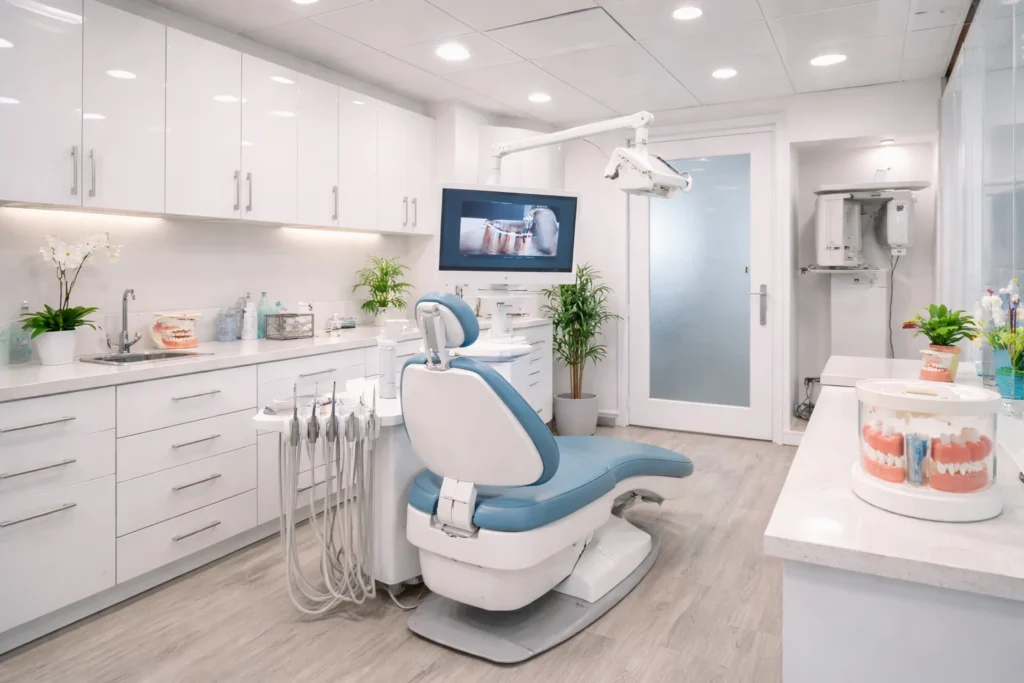
Preventing complications begins with thorough planning. Three dimensional CBCT imaging allows surgeons to evaluate sinus anatomy, bone height, and surrounding structures before surgery begins. This information helps determine the safest surgical approach for each patient.
Careful surgical technique also plays a major role in reducing risk. Surgeons use delicate instruments designed to lift the sinus membrane slowly and place graft material precisely. If small membrane perforations occur they can often be repaired immediately.
Post-operative monitoring is equally important. Follow-up visits allow the surgeon to monitor healing and identify concerns early. When modern imaging, surgical experience, and patient cooperation work together, complications remain uncommon. This level of surgical precision is part of why patients choose a periodontist for implant procedures.
What You Can Do as a Patient to Reduce Risks
Patients play an important role in preventing sinus lift complications. Following instructions before and after surgery helps protect the graft and reduces the chance of infection or sinus problems. Surgeons often explain that successful healing is a shared responsibility between the patient and the surgical team.
Before surgery, patients should provide a complete and accurate medical history, including medications, allergies, and any sinus issues they have experienced in the past. It is also important to stop smoking both before and after the procedure because nicotine can slow bone healing and increase the risk of infection. Carefully following instructions about medications, especially antibiotics or anti-inflammatory drugs, also helps support proper healing.
After surgery, patients should avoid activities that increase pressure in the sinus. This includes blowing the nose forcefully, using straws, or performing strenuous exercise during the early healing phase. Attending all follow-up appointments allows the surgeon to monitor recovery and address any concerns early. When patients follow these precautions closely, the graft is better protected and healing typically progresses smoothly.
How Are Sinus Lift Complications Treated?
Even when complications occur, dentists have effective ways to manage them. The specific treatment depends on the type and severity of the issue and how early it is detected.
Small membrane tears discovered during surgery are often repaired immediately with protective membranes. In some cases implant placement may be delayed until healing occurs. This staged approach protects the sinus and improves long-term results.
Infections or sinusitis are typically treated with antibiotics and sinus-support medications. More severe cases may involve sinus irrigation or collaboration with an ear, nose, and throat specialist. Even graft failures can often be corrected with additional grafting once the area heals.
Moving Forward With Confidence
Sinus lift surgery carries real risks including membrane tears, sinus infection, graft complications, and implant problems. These possibilities deserve clear discussion before treatment begins. When the procedure is carefully planned and performed by an experienced periodontist, serious complications remain uncommon.
At Village Periodontics & Implant Dentistry, Dr. Drew Moore works closely with patients to explain their options and guide them through each step of the process. Patients in Highland Village and surrounding communities can schedule a consultation to review their sinus health, implant options, and personalized risk profile before treatment begins.
Frequently Asked Questions
What are the risks of a sinus lift?
A sinus lift can involve risks such as sinus membrane tears, infection, graft complications, and implant failure. These problems are uncommon when the surgery is carefully planned and performed by an experienced specialist. Most patients recover normally with temporary swelling and sinus pressure.
How common are sinus lift complications?
Serious complications are relatively rare compared with the number of successful sinus lift procedures performed each year. Minor membrane tears can occur during surgery but are usually repaired immediately without affecting the final result. Proper planning and careful technique greatly reduce risk.
What are symptoms of a failed sinus lift?
Possible symptoms include worsening pain, increasing swelling, fever, foul-smelling nasal drainage, or visible graft material in the mouth. Some patients may also notice fluid leaking from the nose when drinking, which can indicate a connection between the mouth and sinus. These symptoms should be reported to the surgeon promptly.
How can I prevent complications after sinus lift surgery?
Patients can reduce complications by following post-operative instructions carefully. Avoid nose blowing, smoking, and strenuous exercise during early healing. Taking medications as directed and attending follow-up visits helps the surgeon monitor recovery and address concerns early.